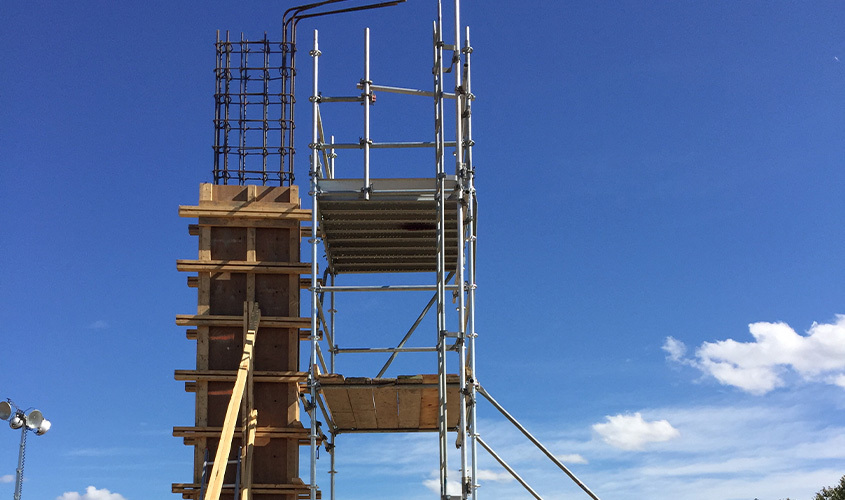
Alberta’s oil and gas sector stands among Canada’s most demanding industrial environments. Sudden cold snaps, snowstorms and high-wind events frequently shake up schedules and disrupt operations.
On a site in northern Alberta, one surprise blizzard can force crews to halt work, delay access, and eat into costly downtime. That’s where weather-ready construction scaffolding becomes a game-changer.
By offering stable access, safe footing and engineered strength, the right scaffolding system helps keep crews moving, even when the weather doesn’t cooperate.
In this blog post, we’ll explain how design, materials and proactive maintenance practices combine to help oil-and-gas scaffolding projects in Alberta stay on schedule, no matter what the forecast says.
The Harsh Reality of Alberta’s Oilfield Weather
How Seasonal Extremes Affect Worksite Productivity
Imagine arriving on site after a freeze-thaw cycle has transformed the ground into shifting, uneven ice. Or a wind gust at 80 km/h sweeping through a scaffold tower in an open oil-field zone.
In Alberta, high winds, heavy snowfall and freeze-thaw cycles threaten scaffold stability and hamper worker mobility. Winter conditions also cut daylight hours, making setup or dismantling slower and more hazardous.
Frozen ground complicates anchoring; slippery platforms become fall risks. These weather motions don’t just increase safety risks, they delay every step of the project.
Downtime Costs in Oil and Gas Operations
In oil and gas maintenance or turnaround schedules, even a few lost hours add up fast. A scaffolding delay due to icy conditions can cascade into missed inspections, delayed repairs and disrupted production.
Labour costs climb while project timelines stretch. For industrial sites where timing is critical, weather-related downtime must be controlled. When scaffolding is engineered for Alberta’s climate, rather than built for ideal conditions, these downtime costs shrink.
What Makes Scaffolding “Weather-Ready”?
Structural Strength and Wind Resistance
On open industrial sites, scaffold systems face serious lateral load from wind. Under Alberta’s Alberta Occupational Health and Safety Code Part 23, an employer “must ensure that a scaffold is designed and constructed to support at least 4 times the load that may be imposed on it”.
Proper bracing, secure tie-ins and validated anchoring aren’t optional. On oil-and-gas sites where winds sweep across pipe racks and tall structures, anchors must hold firm. That’s why weather-ready scaffolding starts with engineering practices tailored to Alberta’s conditions.
Non-Slip Surfaces and Ice Management
When temperatures drop and snow falls, footing matters. Weather-ready systems include serrated or galvanized steel planks, anti-slip treads and drainage channels to prevent ice accumulation.
These features reduce slip-and-fall risks and preserve access on scaffolds even when conditions are grim. With better platforms, crews don’t slow down; they climb, carry materials and complete inspections despite cold conditions.
Weather Protection Systems
Winter shutdowns often demand indoor-style work in outdoor environments: painting, welding or insulation on pipe racks under open skies. Temporary enclosure, shrink-wrap systems, wind-screening and heated zones let work proceed safely.
These weather-protection systems transform scaffolding into safe, all-season platforms that keep tasks moving forward even in mid-winter.
Engineering for Cold-Weather Performance
Material Selection for Sub-Zero Durability
Not all materials behave the same at –20 °C. Weather-ready scaffolding relies on materials like galvanized steel or durable composites that maintain strength in sub-zero temperatures.
Thermal contraction, brittle joints and corrosion from ice-salt cycles all threaten structural integrity. By specifying cold-rated materials, scaffolding systems stay safe and dependable when typical systems might falter.
Load Calculations Under Snow and Ice Weight
Snow accumulation and ice build-up add a hidden load to platforms and stair towers. Engineers must factor in these loads when designing scaffolding for oil-field environments. Weather-ready scaffold systems include allowances for snow-and-ice weight, so they’re never overstressed when the sky dumps 10 cm of snow overnight.
Site Layout and Accessibility Planning
On a winter site, access routes matter. Stair towers, scaffold walkways and enclosed access paths keep crews safe and moving. Strategic layout reduces bottlenecks, enhances evacuation routes and ensures materials flow smoothly across multi-level work areas, even when the terrain is snow-covered or iced.
Good layout = less waiting + fewer delays.
Preventive Maintenance and Inspection Practices
Routine Inspections Prevent Weather-Induced Failures
In cold and wind-exposed environments, rigging and ties can loosen; frost and ice can fatigue components. Regular inspections catch these issues early. According to the Canadian Centre for Occupational Health and Safety (CCOHS), “Inspections are also required on an annual as well as frequent or ‘hours of use’ basis.”
With weather-ready scaffolding, inspection routines are built into the programme, daily checks for ice/ snow, weekly checks for structural strain.
Tagging Systems and Documentation
Part 23 of Alberta’s OHS Code requires scaffolds to be colour-tagged at every entry point with status indicators (green, yellow, red). When weather changes hourly, tracking scaffold status via tags and documentation protects operators, supports compliance and avoids surprises during audits.
Rapid Response and Repair Protocols
A snowstorm may strand a scaffold access route or loosen a tie-in. Weather-ready providers deploy certified crews who respond quickly, re-secure tie-ins, clear snow and get access back online with minimal downtime. That rapid response capability keeps operations moving when typical crews may sit idle.
Coordinating Safety with Productivity in Harsh Environments
On oil-and-gas sites, weather-ready scaffolding isn’t just hardware; it’s a workflow strategy. We coordinate safety officers, engineers and scaffolding teams to keep the project flow uninterrupted. Every morning we review weather forecasts, hold safety briefings and adapt work planning accordingly.
When wind speeds spike or snow arrives unexpectedly, we adjust access routes, schedule interior tasks under enclosed scaffolds, and ensure no crew waits idle. This real-time coordination lets us meet production goals while maintaining safety compliance.
In environments where delays cost tens of thousands per hour, proactive planning and weather-ready access systems become the difference between staying on schedule or falling behind.
About Us
At Green Scaffolding Ltd., we understand the realities of Alberta’s climate and the demanding conditions faced by oil and gas projects. We design, deliver and maintain scaffolding systems that perform under extreme weather, combining engineered strength with complete OHS and CSA compliance.
We use modular, corrosion-resistant components and integrate enclosed systems when needed to protect both workers and schedules. Our certified crews handle everything from planning and setup to inspection and dismantling, ensuring that every scaffold supports safety, access and efficiency throughout the project lifecycle.
We take pride in being part of Alberta’s industrial success story. By anticipating weather challenges and engineering around them, we help keep refineries, plants and construction sites on schedule, regardless of the season.
Contact our team today to discuss reliable, weather-ready scaffolding solutions tailored to your next oil and gas project.