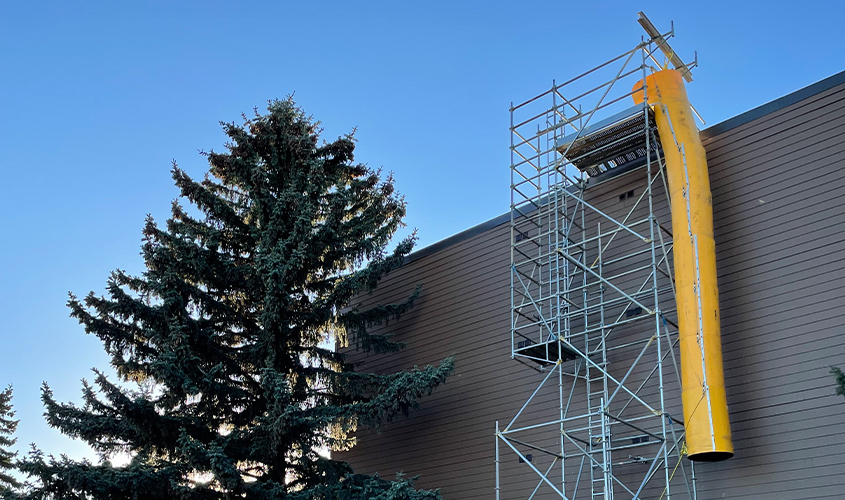
Scaffolding design supports more than temporary access. It influences how safely and efficiently a project operates over time. Well-designed scaffolding helps maintain order, improves workflow, and supports consistent progress on active job sites.
Early design decisions shape load capacity, access layout, and long-term usability. These factors determine how well scaffolding supports workers, tools, and materials during extended project phases. Strong planning reduces the need for frequent adjustments.
An experienced scaffolding contractor provides engineered solutions that support long-term performance across commercial and industrial projects. Professional design aligns scaffold systems with site demands, safety requirements, and project duration.
Scaffolding must also meet strict Canadian safety standards. Federal regulations require scaffolds to be securely anchored on firm footings, utilize proper base plates, and be erected by qualified personnel to ensure stability throughout a project.
Why Design Matters for Long-Term Performance
A scaffold that performs well over time allows workers to focus on tasks without worrying about constant changes.
Scaffolding is often used for many weeks or months on complex builds. Designs that account for duration and changing site conditions will reduce costly adjustments mid-project.
Designs matter for high-traffic areas and where multiple trades need continuous access. Scaffold design is crucial to the safe and efficient progression of construction. Let’s look into 6 scaffolding designs that help the Edmonton projects perform longer.
- Account for Load Capacity Beyond Minimums
Good scaffolding design begins with understanding load demands. Scaffolding must support workers, tools, and materials without risk of sagging or failure.
Canadian regulatory requirements state that scaffolding must be capable of supporting at least four times the load likely to be on it. This ensures a safety margin and reduces the need for frequent reinforcement.
Plan load calculations to include peak usage and heavy materials. Underestimating load can lead to uneven settling or the need to reconfigure scaffold systems. Over time, this affects both performance and project scheduling.
- Orient Layout Around Trade Access
Scaffold layout affects worker movement and trade sequencing. Poor access points can create bottlenecks and slow progress.
Early involvement of scaffold designers and site planners ensures proper placement of walkways, stair towers, and platforms. A well-laid-out scaffold supports multiple tasks without constant adjustment.
Consider how each trade will use the scaffold. Designing for optimal access and flow reduces the need to modify the structure during the life of the project. Multi-trade coordination improves overall productivity when scaffold access aligns with construction sequencing.
- Choose the Right Scaffold Structure Type
Not all scaffold types are equal in every setting. Some projects benefit from modular scaffolding, while others need custom systems.
The Code of Practice for Access Scaffold sets out criteria for safe erection and inspection of scaffold systems to guide design choices and ensure compliance.
Design decisions should consider the project environment, height, and anticipated duration of use. Modular systems and engineered scaffolds can be adjusted to site conditions without frequent disassembly.
Choosing the right structure type upfront improves its suitability for long-term and complex projects.
- Consider Site and Environmental Factors Early
Canada’s construction sites face diverse weather conditions. Rain, snow, and temperature shifts can affect scaffold stability and material integrity. Early design that accounts for wind exposure and environmental stresses will help maintain scaffold performance as conditions change.
Plan scaffold anchoring, tie-ins, and bracing to withstand local environmental forces. This reduces disruption from weather-related adjustments and ensures the scaffold remains functional when the project timeline extends.
- Integrate Protective Systems Into the Scaffold
A scaffold is more than a work platform. It is also a structure that must protect workers from falls and materials from falling off the platform.
A fall protection plan is required when workers are exposed to potential falls of three metres or more. Regulations across jurisdictions set clear expectations for guardrails and other protection measures.
Incorporate overhead protection, guardrails, and fall arrest systems into the original design. These features help maintain safety standards and reduce the need for retrofits during the build.
- Design for Inspection and Maintenance Access
Scaffolding must be checked regularly for wear, damage, and alignment. A design that incorporates easy access for inspection and maintenance will support ongoing performance.
Daily or frequent scaffold inspections help identify issues before they compromise safety or functionality.
Make sure platforms and walkways allow inspection without obstruction. A system that anticipates routine checks will perform more reliably over extended durations.
How Long-Term Scaffold Design Reduces Disruptions
Reducing Adjustments During Active Construction
Building scaffolding into the overall project plan helps minimize interruptions during construction. Designs that account for load demands, access routes, environmental exposure, and maintenance needs support smoother daily operations.
When scaffolding remains stable and adaptable, fewer mid-project changes are required. This reduces downtime and prevents delays caused by dismantling or reconfiguring access systems.
Supporting Consistent Trade Movement
Long-term scaffold design considers how multiple trades move through the site. Clear access paths, proper platform spacing, and planned vertical circulation reduce congestion.
When workers can access work areas without conflict, productivity improves. This consistency helps projects maintain momentum throughout extended construction phases.
Limiting Safety-Related Work Stoppages
Designing scaffolding with safety built in reduces the risk of non-compliance issues. Proper guardrails, tie-ins, and load distribution help maintain safe conditions over time.
Stable scaffold systems reduce the likelihood of inspections triggering work stoppages. This allows projects to continue without unexpected safety-related delays.
Simplifying Ongoing Inspection and Maintenance
Scaffolding requires regular inspection to remain compliant and functional. Designs that allow easy access for inspections support faster checks and quicker issue resolution.
When maintenance tasks are straightforward, small issues are addressed before they affect performance. This prevents minor concerns from becoming larger disruptions.
Early Collaboration Prevents Performance Issues
Involving engineers, site managers, and scaffolding experts early improves long-term scaffold performance. Their input helps prevent overloading, improper bracing, and access limitations.
Early coordination ensures scaffold systems align with site conditions and project duration. This planning approach supports reliability from installation through project completion.
About Us
Green Scaffolding Ltd. is a professional scaffolding provider serving Alberta and Western Canada. Our team focuses on engineered scaffold design decisions that support long-lasting performance for commercial and industrial projects.
We work with project planners early so scaffolding systems match load requirements and access needs.
For partnership inquiries or project planning support, Contact Us today.