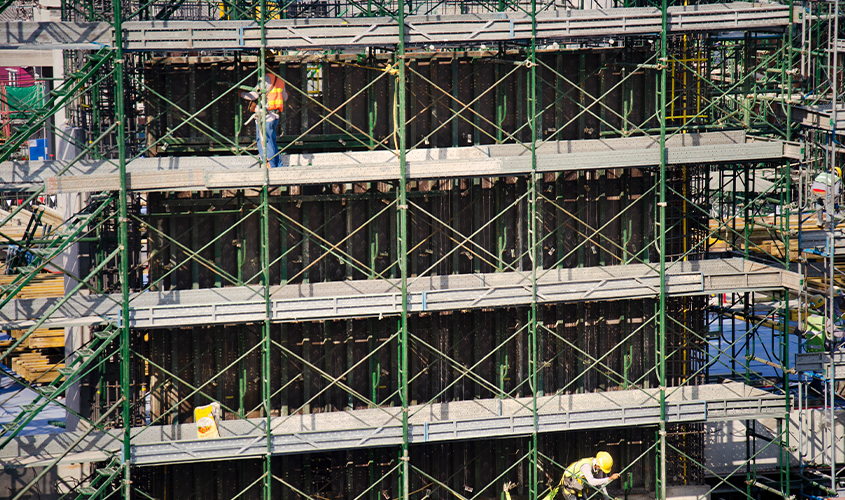
Commercial construction projects rely on scaffolding for safe access, workflow efficiency, and regulatory compliance. Yet many delays, safety incidents, and cost overruns trace back to planning mistakes made long before scaffold installation begins.
For contractors and project managers working with scaffolding companies in Edmonton, understanding these common pitfalls is critical to keeping projects on schedule and compliant.
Scaffolding is not a simple add-on. It is an engineered access system that must align with site conditions, building design, and trade sequencing. When planning is rushed or incomplete, even well-built scaffolding can become a bottleneck instead of a support system.
Treating Scaffolding as a Last-Minute Requirement
One of the most common mistakes in commercial projects is treating scaffolding as something to address after construction has already started. This approach often leads to rushed layouts, limited access options, and avoidable redesigns.
Effective scaffolding services in Edmonton are most valuable when engaged early in the planning phase. Early involvement allows scaffold providers to coordinate with structural drawings, elevation changes, and site logistics. When scaffolding is added late, it often interferes with crane paths, material staging areas, or existing safety systems.
Early scaffold planning supports smoother installations and reduces the need for costly mid-project adjustments.
Failing to Account for Trade Sequencing
Commercial sites typically involve multiple trades working in overlapping phases. A frequent planning mistake is designing scaffolding only for one trade without considering how others will access the same areas later.
For example, scaffolding designed solely for exterior framing may not support cladding, glazing, or mechanical installation. This forces partial dismantling and reinstallation, increasing labour time and site disruption.
Professional scaffold installation in Edmonton considers long-term access needs. Well-planned systems support multiple trades over extended phases, reducing redundant work and improving site efficiency.
Ignoring Load Requirements and Material Handling Needs
Another critical planning error is underestimating load requirements. Scaffolding must safely support not only workers, but also tools, materials, and equipment used throughout different construction phases. In commercial projects, these loads can change significantly as work progresses.
Scaffold systems must be planned to match the specific work being performed. Platforms designed without proper load considerations can become congested, limiting movement and increasing pressure on structural components. Poor planning in this area often leads to unsafe working conditions and operational inefficiencies.
When load requirements are overlooked, materials may be stacked improperly or exceed platform capacity. This increases the risk of falls, instability, and structural failure. Proper planning ensures scaffolding systems are engineered to support safe material handling while maintaining productivity across all trades.
Overlooking Site Constraints and Ground Conditions
Commercial job sites often present challenges such as limited space, uneven ground, underground services, or active pedestrian areas. A common mistake is assuming standard scaffold setups will work regardless of site conditions.
Ground stability directly affects scaffold safety. Alberta Occupational Health and Safety regulations require scaffolding to be erected on firm foundations capable of supporting imposed loads. Failure to assess ground conditions can result in settlement, instability, or collapse.
The Government of Alberta outlines requirements for scaffold foundations, bracing, and stability under its occupational health and safety framework.
Effective planning includes site assessments, engineered base solutions, and coordination with other temporary structures.
Inadequate Consideration for Public and Worker Protection
Commercial projects often operate in active environments such as downtown cores, hospitals, schools, or retail centres. A frequent oversight is failing to plan scaffolding systems that adequately protect workers and the public below.
Protective measures such as debris netting, overhead protection, controlled access points, and safe egress routes must be integrated into scaffold design. These elements cannot be added effectively after installation without disruption.
Well-planned scaffolding systems reduce exposure risks and support compliance with both safety regulations and site management requirements.
Using Non-Engineered or Generic Scaffold Designs
Not all scaffolding is suitable for every commercial project. One of the most costly mistakes is relying on generic scaffold layouts without engineering oversight.
Complex structures, height variations, cantilevered sections, and high-load applications require engineered solutions. Without proper design review, scaffolding may fail to meet performance expectations or regulatory standards.
Scaffolding systems must be selected and erected according to design specifications and manufacturer requirements to ensure structural integrity.
Engineered scaffolding supports safer installations and minimizes liability for all project stakeholders.
Poor Coordination with Other Temporary Structures
Commercial sites often include hoarding, temporary fencing, weather protection, and access ramps. A common planning error is treating scaffolding independently from these systems.
When temporary structures are not coordinated, conflicts arise that limit access, reduce visibility, or create safety hazards. Integrated planning allows scaffolding to function as part of a broader site access strategy.
Professional scaffolding providers coordinate closely with general contractors to ensure all temporary systems work together efficiently.
Underestimating Inspection and Maintenance Requirements
Scaffolding is not a set-and-forget system. Another planning mistake is failing to account for inspection schedules, adjustments, and ongoing maintenance throughout the project lifecycle.
Proper planning includes access for inspections, documentation processes, and contingency time for adjustments. This proactive approach reduces downtime and improves compliance.
Choosing Cost Over Experience
Selecting scaffolding providers based solely on price often leads to planning shortcomings. Commercial scaffolding requires experience, engineering support, and regulatory knowledge.
Experienced scaffolding companies in Edmonton understand local regulations, site challenges, and commercial project demands. This expertise results in better planning, safer installations, and fewer disruptions.
Short-term savings from inexperienced providers often lead to long-term costs through delays, rework, or safety incidents.
Conclusion
Scaffolding planning plays a critical role in the safety, efficiency, and success of commercial construction projects. Common mistakes often stem from late involvement, poor coordination, and inadequate consideration of site conditions, load requirements, and long-term access needs.
By approaching scaffolding as an engineered system rather than a temporary convenience, project teams can reduce delays, improve site safety, and support smoother trade coordination. Proper planning from the outset helps scaffolding perform as a reliable asset throughout the project lifecycle.
About Us
Green Scaffolding Ltd. provides engineered, CSA and OHS compliant scaffolding solutions for commercial, industrial, and institutional projects across Edmonton and Alberta. Our team works closely with contractors and project managers to eliminate planning gaps before they become costly problems.
From early project planning to professional installation and dismantling, we focus on safety, efficiency, and minimal disruption to active sites. If your project requires reliable scaffolding services in Edmonton, our team is ready to support your next build.
Contact us today to discuss your commercial scaffolding requirements and plan your project with confidence.